Visit Our Showroom
Find Lighting Fixtures For Any Home at Our
Lighting Store Showroom Near Isle of Palms, SC
The importance of great lighting in a home cannot be understated. It can brighten up a room and make it feel more open, while bad lighting can make a space feel dark and unwelcoming. It can make a room feel more inviting and more useful, melding aesthetics with function to create a welcoming and comforting glow. It helps you see what you're doing around the house, from cooking dinner to playing with your children. With the right application, lighting can help reduce eye strain and fatigue. Great lighting designs can even increase the value of your home, transforming it into an alluring oasis that is just right for the South Carolina market.
Simply put, lighting makes your life and your home better, whether you're a first-time homebuyer, an interior designer, or a home builder. But finding a reliable lighting store in Isle of Palms, SC, where you can purchase lighting fixtures and receive expert lighting advice? That can be complicated. Fortunately, Lowcountry Lighting Studio makes it easy to find great lighting locally.
From chandeliers and scones to ceiling fans and gas lanterns, we keep the most popular designs in stock for both indoor and outdoor purposes. The best part? You can see and touch all that we have to offer right from our expansive showroom in Charleston, making you a truly enlightened consumer.
We Take Pride in Lighting the Lowcountry
At Lowcountry Lighting Studio, we believe that lighting is about more than fancy fixtures. It's what brings your personal treasures to life, brightens your daily tasks, and creates a warm and inviting environment to live, work, and play. With years of experience providing dependable lighting services to South Carolina, we are proud to be the ultimate resource for lighting value, design, and selection in the Lowcountry.
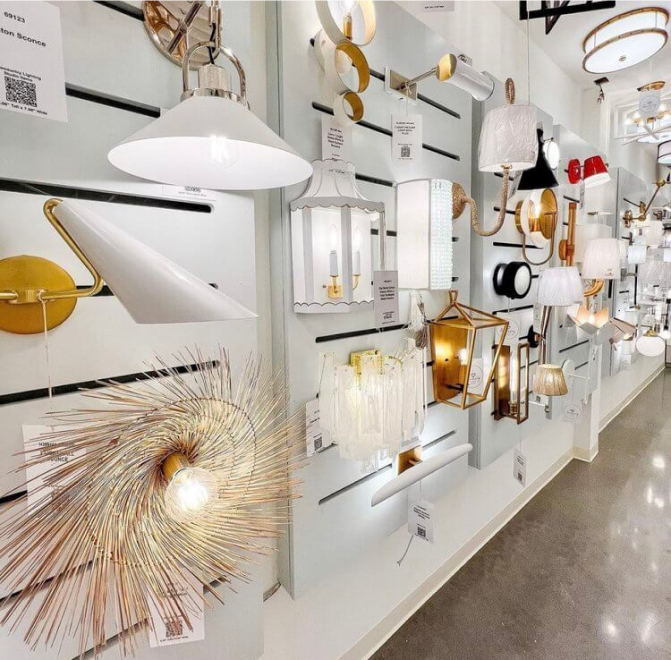
We've built our reputation on stellar customer service and take pride in offering exceptional design services provided by a team of experts who are dedicated to bringing your vision to life. If you're in search of expert product specialists, an onsite showroom, and a huge selection of today's most popular lighting choices, look no further than Lowcountry Lighting Studio.
Customers keep coming back to our lighting showroom because we are dedicated to providing high-quality services, such as:
- Indoor Lighting
- Outdoor Lighting
- Lighting Design
- Lighting Product Sales
- In-Home Consultations with a Lighting Specialist
- Complimentary Local Delivery
- Charleston's Top Choice for Lighting Quality, Knowledge, and Customer Service

Who We Serve
Lowcountry Lighting Studio is proud to serve clients from all walks of life who need quality lighting fixtures. Whether you're renovating your space or you're a home builder looking for a trusted partner, you'll find lots to love at our lighting store in Isle of Palms, SC.


Homeowners
Need to upgrade a single room in your home? Looking for a comprehensive home electrical plan? Don't know where to start on your interior or exterior lighting journey? Our team of experts is here for you. To help us provide you with the best service possible, bring the following info along when you visit our showroom in Charleston:
- Room Dimensions
- Furniture Dimensions
- House Plans (If Available)
- Current or Desired Paint Colors
- Current or Desired Countertop and Island Colors and Materials
- Height of Ceilings
- Kitchen and Cabinet Hardware and Finishes
- An Idea of Your Desired Lighting Fixtures
Realtors
When purchasing a new home, it's common for buyers to make aesthetic and practical changes inside and out. That's where Lowcountry Lighting Studio comes into play as a trusted lighting showroom for both you and your clients. We understand that builders, designers, and realtors all share the same goal of making their clients' houses feel like home. That's why we offer a realtor program tailored exclusively to registered agents.
With a $250 client reservation fee, you can book appointments at our studio to meet with our lighting specialists and designers. This fee will also be applied to any purchases made by your client. On top of that, you'll receive lighting books to showcase new options, special discounts to pass along to your clients, and much more. If you and your client are looking for reliable guidance for home lighting design, you're in the right place.
Designers
At Lowcountry Lighting Studio, we value our relationship with designers. We understand the importance of their client's projects and the trust they place in designers to bring their vision to life. Lighting plays a significant role in any design project, yet retailers do not always appreciate designers. To address this common issue, LLS has created a designer program that not only simplifies the selection process but also offers an enjoyable experience for clients.
As a registered member of our "Lowcountry Lighting Studio Designer Program," you'll enjoy several perks, including designer pricing, exclusive updates on new products and upcoming events, a waived $250 reservation fee with one of our lighting specialists, and much more. Our "Lighting Loft" is one of our favorite features, which you can reserve as a registered designer. This space elevates the selection process for you and your clients, making it both easy and fun to find modern, desirable lighting fixtures in Isle of Palms, SC.
Builders, Contractors, & Architects
At Lowcountry Lighting Studio, we bring together our extensive expertise in construction and lighting to help you navigate the complex process of completing your projects. Our aim is to facilitate seamless communication between you and your clients, supporting you every step of the way from initial concept to final completion.
To achieve this, we offer a range of trustworthy lighting services for builders, contractors, and architects, including:
- Electrical Design and Layout
- Rough-In
- Decorative Selection of Lighting
- Decorative Selection of Mirrors
- Landscape
- LED Lighting for Specialty Needs
- Discounted Builder Pricing
- Local Deliveries
- Lighting Packets for Clients
- Detailed and Ongoing Communication
Need to upgrade a single room in your home? Looking for a comprehensive home electrical plan? Don't know where to start on your interior or exterior lighting journey? Our team of experts is here for you. To help us provide you with the best service possible, bring the following info along when you visit our showroom in Charleston:
- Room Dimensions
- Furniture Dimensions
- House Plans (If Available)
- Current or Desired Paint Colors
- Current or Desired Countertop and Island Colors and Materials
- Height of Ceilings
- Kitchen and Cabinet Hardware and Finishes
- An Idea of Your Desired Lighting Fixtures
When purchasing a new home, it's common for buyers to make aesthetic and practical changes inside and out. That's where Lowcountry Lighting Studio comes into play as a trusted lighting showroom for both you and your clients. We understand that builders, designers, and realtors all share the same goal of making their clients' houses feel like home. That's why we offer a realtor program tailored exclusively to registered agents.
With a $250 client reservation fee, you can book appointments at our studio to meet with our lighting specialists and designers. This fee will also be applied to any purchases made by your client. On top of that, you'll receive lighting books to showcase new options, special discounts to pass along to your clients, and much more. If you and your client are looking for reliable guidance for home lighting design, you're in the right place.
At Lowcountry Lighting Studio, we value our relationship with designers. We understand the importance of their client's projects and the trust they place in designers to bring their vision to life. Lighting plays a significant role in any design project, yet retailers do not always appreciate designers. To address this common issue, LLS has created a designer program that not only simplifies the selection process but also offers an enjoyable experience for clients.
As a registered member of our "Lowcountry Lighting Studio Designer Program," you'll enjoy several perks, including designer pricing, exclusive updates on new products and upcoming events, a waived $250 reservation fee with one of our lighting specialists, and much more. Our "Lighting Loft" is one of our favorite features, which you can reserve as a registered designer. This space elevates the selection process for you and your clients, making it both easy and fun to find modern, desirable lighting fixtures in Isle of Palms, SC.
At Lowcountry Lighting Studio, we bring together our extensive expertise in construction and lighting to help you navigate the complex process of completing your projects. Our aim is to facilitate seamless communication between you and your clients, supporting you every step of the way from initial concept to final completion.
To achieve this, we offer a range of trustworthy lighting services for builders, contractors, and architects, including:
- Electrical Design and Layout
- Rough-In
- Decorative Selection of Lighting
- Decorative Selection of Mirrors
- Landscape
- LED Lighting for Specialty Needs
- Discounted Builder Pricing
- Local Deliveries
- Lighting Packets for Clients
- Detailed and Ongoing Communication
Popular Lighting Fixtures from Our Lighting Store in Isle of Palms, SC
As one of South Carolina's premier lighting showrooms, LLS keeps a keen eye on the types of lighting fixtures and design choices that customers love - both locally and across the country. Here are just a few of the most popular types of lighting fixtures you can find at our lighting showroom.
 Gas Lanterns
When designing or refreshing a modern structure, it's important to choose the appropriate outdoor lighting that complements the overall aesthetic. It's easy to overlook gas lanterns because they're often associated with traditional or old-world styles.
However, there are gas lantern designs that are perfect for modern or transitional style homes, such as Coppersmith +, Primo +, and Legendary Lighting models. These lanterns have sleek and geometric designs ideal for contemporary gas lighting. In addition, you'll find a variety of finishes to enhance your selection further. For a more modern look, a powder-coated black finish is recommended, while copper and patina finishes work best for transitional gas lighting.

 Chandeliers
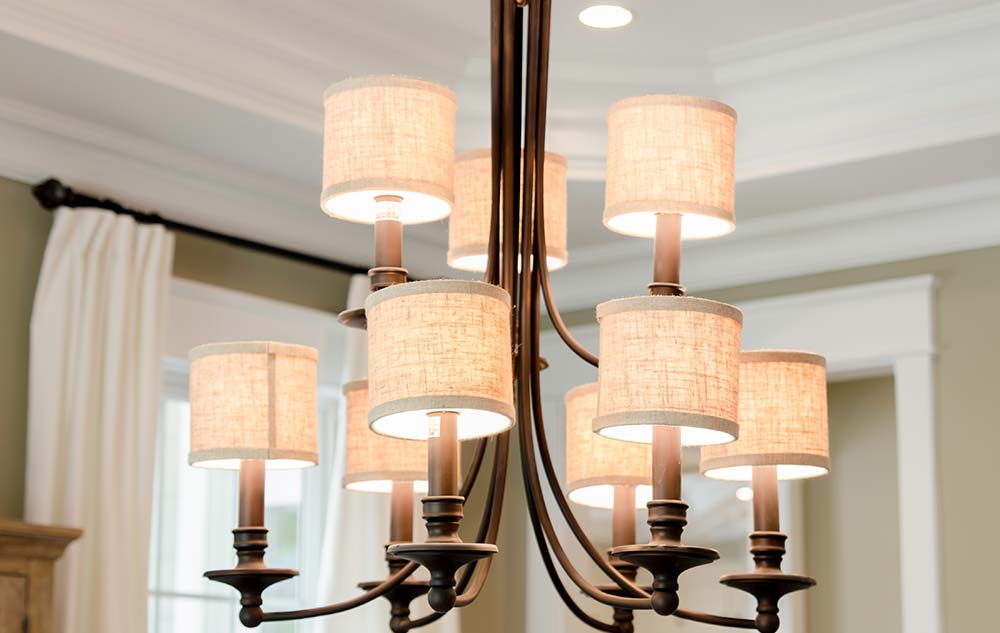
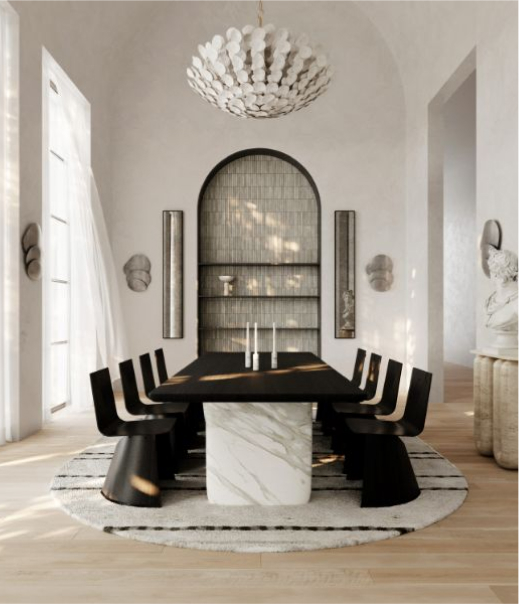
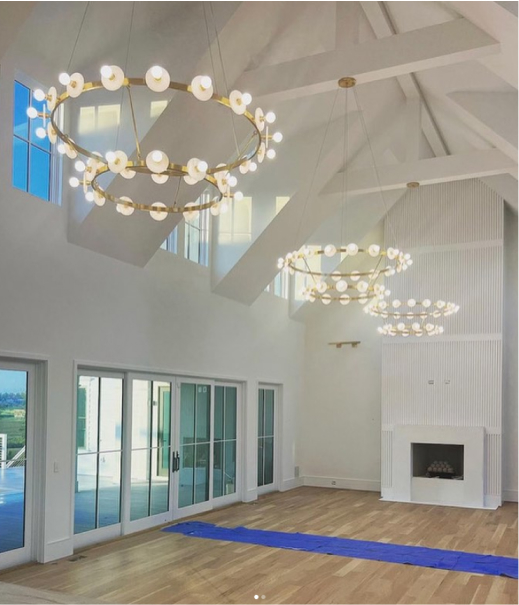
Chandeliers often possess intricate designs that exude beauty and allure, even in the absence of light. Conversely, lamps can appear dull and uninspiring when turned off, only serving to add vibrancy and warmth when they are illuminated. Introducing a striking and unique chandelier into a large and spacious room can bring life and character to the space.
These exquisite pieces of art can act as the focal point of the room, keeping the area from appearing lifeless and uninteresting. With a simple chandelier, your home can be transformed into an unforgettable space, exuding an air of elegance that your neighbors will be jealous of. Of course, mid-size and mini chandeliers are fantastic, too, and work very well for adding a special touch to a relatively small space, like a dining room or breakfast cove.
Whether you're looking for a grand, traditional chandelier from Uttermost or a trendy, modern piece from George Kovacs, we've got the styles and finishes you're craving at our lighting showroom in Isle of Palms, SC.
 Ceiling Fans
Ceiling fans are making a major comeback in many South Carolina homes. Unlike the bland, monotone fans found in your college dorm room, today's ceiling fans are attractive and stylish. At Lowcountry Lighting Studio, you'll find a wide selection of stylish ceiling fans made with on-trend materials such as polished nickel and exotic wood.
These high-quality fans typically offer various finish and light kit options, as well as remote controls. Some models even feature carved ceiling medallions that add texture and intrigue. You can choose from a range of sizes and styles to match your unique interior design, including traditional models with wood or bronze finishes, modern units in brushed metal, or tropical fans with blades resembling banana leaves.
From Fanimation to Hinkley and just about every brand in between, there's a ceiling fan for every taste at LLS.
 Scones
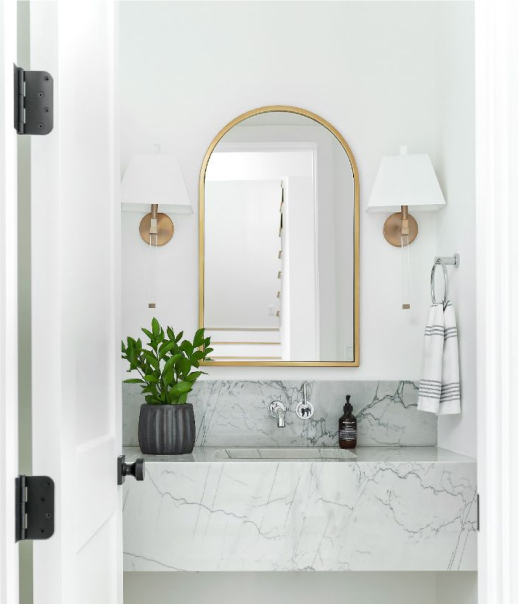
Wall sconces are a popular addition to any room, regardless of interior design style. They are discreet and versatile, making them a perfect fit for any space in your home. If you're looking to create a soft and welcoming atmosphere in your entryway or a warm and cozy ambiance in your bedroom, wall sconces are the perfect solution.
At Lowcountry Lighting Studio, we offer a wide variety of wall scone options, from products with brass and antique finishes to scones with Mid-Century Modern flair.
Timeless Tips for Beautiful Interior Lighting
It might sound cliche, but having a great interior lighting design for your home is everything. When you get it right, you can significantly enhance the overall look and feel of your home. But when styles and design elements clash with one another or lack true functionality, it can have a negative effect.
Keep these tips in mind to maximize the ambiance and mood of your home.
To ensure that every room in your home is well-lit and functional, having a mixture of lighting at different levels is important. For instance, in your kitchen, you can have lighting units above your island and task lighting underneath your cabinetry. Similarly, in your living room, you can have ceiling units with table lamps placed around the perimeter of the room. By combining lighting in this way, you can create a more functional and comfortable living space.
It's essential to know your ceiling height before selecting hanging light fixtures. Some light fixtures come with adjustable cables or rods, while others do not. You don't want to find yourself with a light that hangs either too low or too high. As a general rule, a light should hang about 12 to 20 inches below a standard 8-foot ceiling. For every additional foot of ceiling height, add 3 inches to the hanging length of the light. Knowing these measurements will help you get the perfect hanging light fixtures for your home.
When you visit our showroom to view lighting fixtures in Isle of Palms, SC, keep in mind that different rooms have different functions and focal points. Generally speaking, your lighting design should reflect the purpose of the room.
For instance, in your living room, consider installing indirect lighting to create a more relaxed atmosphere. You may also want to add tabletop lamps next to a sofa or armchair to further enhance the ambiance. If the room has high ceilings, it would be helpful to combine lighting on the ceiling and walls, which will help to give the room a more calming feel. This will also prevent visitors from feeling lost in a large open space.
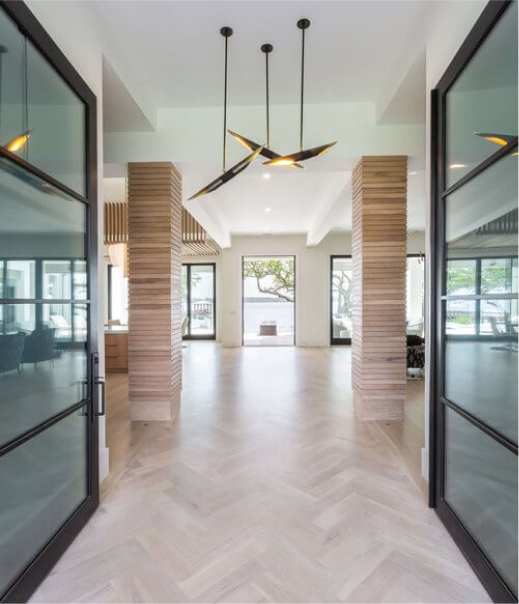
For entryways into your home, try having lights installed along the walls to make coming and going safe day and night. For a unique effect, combine architectural lighting with recessed lighting or even a trendy ceiling light, depending on the shape, size, and design of your entryway.
Adding new pendant lighting to your home can be an expensive and inconvenient process, especially if you don't want to change your electrical setup. However, you can consider using cord swags as a stylish solution. You can loosely swag them over a bar or a hook, or you can securely attach the cord tight to the ceiling for an industrial look. This is a great way to add a touch of style and ambiance to your home without breaking the bank.
One of the most common questions we're asked at Lowcountry Light Studio is how to begin designing or renovating a home's lighting. While every approach will be different depending on your home, budget, and time, one of the best ways to start is to think about recessed and exposed lighting.
Recessed lighting, as the name suggests, is a lighting unit that is designed to be hidden, so the light source is the only visible component. This is highly practical for modern, clean interiors where architectural details are unnecessary. Additionally, recessed lighting is ideal for homes with low ceilings, where hanging light fixtures may not be suitable.
Exposed lighting, by contrast, utilizes distinct lighting units with prominent architectural details. This type of lighting blends well with traditional and even rustic vibes. If you are planning to have recessed or exposed lighting installed in your home, it's a good idea to make this decision early on, as it can affect your builder or electrician's plans.
When choosing lighting for your space, be sure to consider the type of lightbulb you're using, not just the lighting fixture. There are different bulb options, such as halogen, compact fluorescent, and LED bulbs, which come in varying warm or cool hues. Deciding on your desired glow is ultimately going to be a personal choice, much like your home's wall color. But using bulbs that compliment your home's aesthetic and color scheme is never a bad idea.
As a general rule, if your walls have cool tones, using a warm lightbulb can help to create a more inviting atmosphere. Conversely, if you have a dark space, a cooler glow might be necessary to brighten it up.
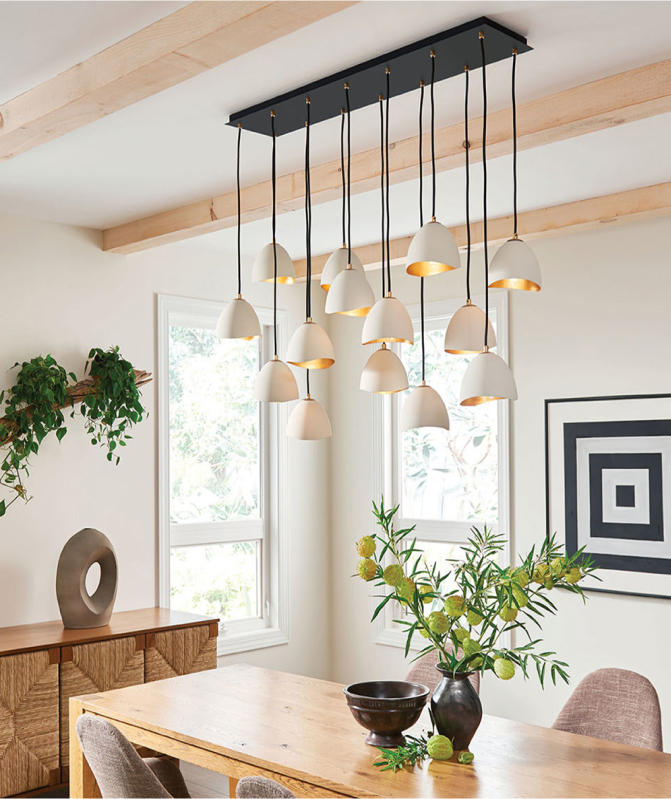

Lighting Showroom for Jason Rose

Kitchen Light Fixtures for Mary-Katherine Blain
Bathroom Light Fixtures for Matthew Rubin
Dining Room Light Fixtures for Chris Mccarthy
Living Room light fixtures for Kristian Murphy Ebert
Chandeliers for Lindsey McCutchen
Gas Lanterns for cydne abernathy
Lighting Store for Adam Reeves
Lighting Showroom for Laura Murphy
Kitchen Light Fixtures for Sara James
Bathroom Light Fixtures for Murray Cromer
Dining Room Light Fixtures for Allyson Sanders
Living Room light fixtures for Cynthia Wilson
Chandeliers for Larry McCrea
Gas Lanterns for Anna Wheeler
Lighting Store for Joy Lang
Lighting Showroom for Thomas McElveen
Kitchen Light Fixtures for Meredith Carraway
Bathroom Light Fixtures for Susan
Dining Room Light Fixtures for Lynn Galloway
Living Room light fixtures for Bronwyn McElveen
Illuminating the Path to Impeccable Lighting in Your Home
Ready to transform your home's lighting from basic and bland to memorable and distinct? Trends will come and go, but expertise and experience are always in fashion. That's what you get with Lowcountry Lighting Studio - one of The Palmetto State's most reliable and innovative lighting showrooms. Whether you're a builder, architect, realtor, or homeowner, our team is ready to help you choose the lighting design of your dreams. Contact our lighting store in Isle of Palms, SC, today to reserve an appointment in our showroom soon.
Start Shopping
Latest News in Isle of Palms, SC
SC beach advocates discuss management challenges, intentions for 2025
Caitlin Ashbaughhttps://www.live5news.com/2025/01/16/sc-beach-advocates-discuss-management-challenges-intentions-2025/
Published: Jan. 16, 2025 at 1:45 PM PST|ISLE OF PALMS, S.C. (WCSC) - Federal, state and local beach advocates are workshopping how to prioritize the protection of beachfront access along some of the Southeast’s most beloved waterfronts.The 11th annual South Carolina Beach Advocates conference opened its panel on Thursday. The conference began more than a decade ago with the intention of consolidating funding and beach management along the state’s coastline, something Administrator Nicole Elko said did not exist when...
Published: Jan. 16, 2025 at 1:45 PM PST|
ISLE OF PALMS, S.C. (WCSC) - Federal, state and local beach advocates are workshopping how to prioritize the protection of beachfront access along some of the Southeast’s most beloved waterfronts.
The 11th annual South Carolina Beach Advocates conference opened its panel on Thursday. The conference began more than a decade ago with the intention of consolidating funding and beach management along the state’s coastline, something Administrator Nicole Elko said did not exist when she took on the role.
“We’re all looking for funds, we’re all battling the same issue. Permitting takes a long time, projects take a long time and projects cost a lot more than they used to. It’s hard in these small communities and we need the state’s help,” Incoming Chair and Mayor of Isle of Palms Phillip Pounds said.
Several of the local communities have set up projects involving the U.S. Army Corps of Engineers, who attended the conference. In a keynote speech, the group announced its most recent effort to renourish and preserve the shoreline in Myrtle Beach.
The $72 million project will cover 26 miles of the beachfront.
“Our beach projects, a lot of people go there to recreate and play, we know it’s a big economic driver for the state of South Carolina and the nation, but really the reason we build beaches is not just to recreate, it’s to protect the infrastructure behind the dunes,” Chief of Civil Works Jeff Livasy said.
This year, the group is hoping to implement long term, state commitment and create proactive initiatives rather than banking on emergency funding or projects. Elko said Governor Henry McMaster appropriated $5 million into the efforts this year, and previously, up to $50 million.
Eleven Lowcountry communities, including Georgetown, Hilton Head, Myrtle Beach, Kiawah Island, Isle of Palms, Folly Beach, Edisto Beach, Pawleys Island, Sullivans Island and the DeBordieu Colony Community Association, presented their findings from the past year.
Many of the beach access points faced detrimental challenges after the longterm impacts of inclement weather, including Hurricane Ian, a Nor’Easter in 2023 and Tropical Storm Debby in 2024.
Kiawah Island Mayor Brad Belt claimed its strongest struggles come from how to manage natural resources both on the marsh side and beach shoreline. The area suffered from inundation along the one major roadway which provides a single entry and exit point to islanders. Uniquely, the area is also mostly private owned spaces, with only an exception of Beachwalker Park, and the town’s 3 miles of roadway and 21 acres of land. This complicates efforts to use public sector funding to preserve the area.
Isle of Palms Administrator Douglas Kerr reported a continued concern for beach erosion along the Wild Dunes resort and Breech Inlet. The group has attempted improvements with a beach preservation ad hoc committee. Despite this, Kerr believes there needs to be money and permits in place to create strategies before a storm passes through and causes detrimental damage.
Folly Beach Administrator Aaron Pope mentioned a continuous cycle of efforts to renew and manage the beach, however political will and a lack of staff creates challenges for submitting grant applications or educating the community on efforts.
Sullivans Island Administrator Joe Henderson claimed similar issues with erosion on the eastern and western ends of town, plus stormwater management concerns. The town will move forward on plans to construct native stormwater infrastructure within the next two or three years.
The other seven panelists reference similar issues crowding their ability to preserve shorelines.
“You’re trying to outguess Mother Nature, you’re trying to anticipate a storm ‚and save as much money as you can while spending money on other projects as well. It’s a constant story to have to tell, the economic impact beach communities have,” Pounds said.
South Carolina beaches attract more than 140 million visitors every year, according to Elko’s findings. This generates $23.8 billion in economic impact for the state.
Elko also claimed beach tourism contributes $1.2 billion in state tax revenue, representing two-thirds of the state’s total tourism revenue. Tourists generate more than $1200 in economic development for every $1 invested into beaches, and more than $250 in state taxes for every $1.
The goal, Elko said, of the conference is to create resilience funding to protect the state’s most valuable asset for future generations.
The conference will continue into Friday. The group will hear from legislators and Governor Henry McMaster.
The next annual conference will be held Jan. 2026 in Hilton Head.
Copyright 2025 WCSC. All rights reserved.
These 8 Towns Are South Carolina's Best-Kept Secret
WorldAtlashttps://www.worldatlas.com/cities/these-8-towns-are-south-carolina-s-best-kept-secret.html
South Carolina has a mystical, compelling charm like no other state in America. It is full of teeny towns with classic southern charm, whether it’s inland or coastal. There’s no shortage of things to do and see in and around these lovely little towns. From the historical downtown of Beaufort to the luxurious beach resorts of Isle of Palms and the gorgeous mountain scenery of Landrum, discover these South Carolina towns and unravel their secrets.Beaufort ...
South Carolina has a mystical, compelling charm like no other state in America. It is full of teeny towns with classic southern charm, whether it’s inland or coastal. There’s no shortage of things to do and see in and around these lovely little towns. From the historical downtown of Beaufort to the luxurious beach resorts of Isle of Palms and the gorgeous mountain scenery of Landrum, discover these South Carolina towns and unravel their secrets.
Beaufort
Beaufort is located on Port Royal Island and is the second oldest city in South Carolina. Its entire downtown is a designated historic district by the National Trust for Historic Preservation, so it is a natural choice destination for history buffs! Visitors can stop by the Beaufort Visitor Center and pick up a guide for a self-guided tour around the homes of the historic district before venturing over to the Beaufort History Museum, originally an arsenal. Lunch at Bricks on Boundary or the cute corner café, Blacksheep, will keep travelers satiated for a walk around the nearby Hunting Island State Park. The park features 3 public beaches, a lighthouse, a fishing pier, and nature trails that the whole family can enjoy. Stay at the top-rated 607 Bay; a bed and breakfast that also organizes charters or kayaking adventures for guests.
Edisto Island
Known for being a gently developed beach along the South Carolina Coastline, Edisto Island is a perfect destination for anyone looking to be surrounded by beachy nature without all the hype and tourism. There are no hotels on Edisto Island, so visitors can choose to camp at Edisto Beach State Park or stay at a rental beach house advertised on Edisto Realty. Travelers love the easy flow of biking down the 5-mile Edisto Island Bike Path which winds around the back side of town. Rentals are available at Island Bikes and Outfitters. McConkey’s Jungle Shack is a local favorite for beachy drinks and classic sandwiches.
Hartsville
Home to Coker University, Hartsville is a small town in north central South Carolina that attracts visitors for its history, outdoor recreation, and charming downtown. A stay at the Mantissa Executive Suites & Spa is an intimate boutique hotel to spend evenings at with a rooftop bar and it is conveniently located across the street from The Blind Pig, serving up classic American fare and fabulous cocktails. In the mornings, travelers can grab a tasty coffee at Crema before heading to Kalmia Gardens, a public botanical garden with trails that wind through a variety of animal and plant life.
Isle of Palms
An hour north of Charleston, Isle of Palms is known for its world-class luxury for guests; from its top-notch golf courses to award-winning spas, Isle of Palms is for the lavish traveler. Wild Dunes Resort, the 1600-acre retreat, has two golf courses, a full-service spa, 1 clay tennis court, and 5 pickleball courts. The public Isle of Palms beach is great for sunbathing or catching a sunrise. The Islander is a rowdy way to end a day out in Isle of Palms with your friends and family; they have consistent live music, trivia nights, and delicious seafood sharables or main dishes like ahi tuna Bruschetta or local Oysters.
Walhalla
Walhalla or “Garden of the Gods” is a lovely mountain town in upstate South Carolina. Visitors can plan to book ahead for a one-of-a-kind stay in the Majestic Treehouse, a cozy cottage surrounded by 40 acres of forest, creeks, gardens, and trails to wander. In town, guests will find the Museum of Cherokee and Oconee History Museum or fun shops like Sunni Ann Mercantile Company. Nearby Sumter National Forest is a haven for hikers in the Southern Appalachians with waterfall views on trails like Big Bend Falls and Foothills Trail.
Lake City
A small town dedicated to art in action, Lake City is a visual experience. Visitors to Lake City will find painted murals and sculptures like “Geisel’s Garden” throughout town, along with accessible art centers featuring exhibitions at Acline Studios or Trax Visual Art Center. Piggyback’s BBQ & Catfish is a local hub for southern fare with delicious bbq platters and catfish baskets. Overnights at the artfully designed 'The Inn at Crossroads,' will put travelers in the middle of downtown with an in-house bar and restaurant, Lake City Bistro. At Riverrat’s, kayaks and paddleboards are available for rent to paddle along the Lynches River.
Laurens
In the piedmont of South Carolina, Laurens is a tight-knit, growing town of welcoming locals. Laurens has a rich history that can be tracked through the walls and exhibits of Laurens County Museum or sites like the Battle of Musgrove Mill State Historic Site, the location of the Battle of Musgrove Mill, around half an hour away. Whiteford’s Giant Burger is a legendary spot to grab a hearty burger, serving customers since 1957 with quality being their highest priority. At Lake Greenwood State Park, anglers can rent equipment and catch a variety of fish: bass, crappie, bream, perch, catfish, or stripers.
Landrum
Founded in 1880 and situated against the southern end of the Blue Ridge Mountains, Landrum is a delightful little town and a breath of fresh air. Hikers base themselves in Landrum to trek the popular Palmetto Trail’s Blue Wall Passage, a 14-mile moderate trail featuring a 30-foot waterfall. Post-hike food fuels are best fulfilled at Southside Smokehouse, known for its variety of specials and Cajun-inspired recipes. The Landrum Farmers Market is not to be missed on Saturdays from April through December featuring live entertainment, homemade foods or crafts, and fresh produce.
The scattered small towns of South Carolina offer a variety of landscapes, the famous southern charm from welcoming locals, and a kind of mysticism in the air that’s unmistakable and alluring. From the upstate southern end of the Appalachia’s to the relaxed Atlantic coastline, South Carolina truly has a small town for all kinds of kinds. South Carolina’s small communities have a way of carving unforgettable memories into all who wander around them.
Share
There are at least 3 ways to avoid paying $25 to park at the beach on Isle of Palms
David Slade dslade@postandcourier.comhttps://www.postandcourier.com/business/there-are-at-least-3-ways-to-avoid-paying-25-to-park-at-the-beach/article_f6515dec-df42-11ef-b757-b73aad93c2ab.html
In suburban Philadelphia where I grew up, going to the beach meant driving east across New Jersey, paying per-person fees for access and pinning "beach tags" to bathing suits to prove the fees had been paid.I've long appreciated South Carolina's free public beaches, first as a child visiting most summers, then as an adult living here more than 20 years.But while the...
In suburban Philadelphia where I grew up, going to the beach meant driving east across New Jersey, paying per-person fees for access and pinning "beach tags" to bathing suits to prove the fees had been paid.
I've long appreciated South Carolina's free public beaches, first as a child visiting most summers, then as an adult living here more than 20 years.
But while the beaches are free, parking can be costly.
Just days ago Anna Sharpe reported that the Isle of Palms has increased its parking lot rate to $25 on a Saturday, Sunday or holiday from Memorial Day through Labor Day. Parking meters must be fed $3 per hour.
The $25 cost for parking lots matches the rate at the 445-parking-space Isle of Palms County Park, which is adjacent to the city's metered parking and lots near Front Beach (Ocean Boulevard) businesses.
That's expensive, but the important thing to know is that paying for parking on the Isle of Palms is almost entirely a matter of personal choice. I mean, you can't avoid paying if you park in a lot or at a meter, but you don't have to park there.
IOP, like neighboring Sullivan's Island, has many hundreds of free parking spots in the public right-of-way. On the Isle of Palms most of them are along Palm Boulevard on the east side of the business district, from 21st to 40th avenues and from 42nd to 53rd avenues.
There are limited spots on the west side of the island, along 3rd through 9th avenues between Ocean and Carolina boulevards.
Those who park in the free spots should know that parking enforcement is quite strict, and vehicles must be at least 4 feet off the pavement, which isn't always easy.
Last year the city's contracted parking enforcers — a company that got to keep 24 percent of the money from fines — issued more than 5,600 tickets for between $50 and $100 each.
One option to avoid fees and parking tickets on weekends is to take the free Beach Reach shuttle bus from Mount Pleasant Towne Centre, at Market Center Boulevard, where parking is free. If you're driving, it's of course inconvenient to stop just minutes from the beach and wait for a bus to take you there, but it does solve the parking dilemma.
When my family was living in Mount Pleasant with a young child, the Isle of Palms was our closest beach. We usually parked in the county park lot, or in a free space not far away, for two reasons: the availability of lifeguards and bathrooms.
People can use the county park and its services without paying to park there, and county residents can park there for far less than the advertised rate.
For regular beach-goers and, I would think, most families with children, a Charleston County parks Gold Pass is a great option. For $80 — $65 for those age 60 or older and $95 for non-residents — that covers parking and park entrance fees for a year, for up to 15 people per vehicle.
A Gold Pass includes festival admissions, too, and comes with discounts on things such as equipment rentals.
So, for those who live here, it doesn't have to cost money to park at the beach. And regular visitors to the Isle of Palms who want amenities and lifeguards should consider buying a Gold Pass.
Parking rates are increasing on Isle of Palms for the first time in 5 years. Here's why.
Anna Sharpe asharpe@postandcourier.comhttps://www.postandcourier.com/news/iop-beach-parking-rates/article_f43df60e-dd86-11ef-bc85-1b1fdd296309.html
ISLE OF PALMS — Prepare to pay more to park for trips to the beach this summer.The city of Isle of Palms approved a fee increase for the city's two lots and on-street parking, bringing the cost to park on a peak-season weekend up to $25.Daily rates for the municipal parking lots on Pavilion Drive will remain at $10 for March and April.Memorial Day through Labor Day, which is consi...
ISLE OF PALMS — Prepare to pay more to park for trips to the beach this summer.
The city of Isle of Palms approved a fee increase for the city's two lots and on-street parking, bringing the cost to park on a peak-season weekend up to $25.
Daily rates for the municipal parking lots on Pavilion Drive will remain at $10 for March and April.
Memorial Day through Labor Day, which is considered peak season, rates will increase to $15 during the week and $25 on Saturday, Sunday and holidays.
After Labor Day, rates will drop back to $10 for the rest of September and October. Parking will remain free in the offseason from November through February.
On-street parking will be more costly, too. Paid parking spots along Ocean Boulevard between 10th and 14th Avenue will rise from $2.50 per hour to $3 per hour.
The $60 seasonal parking passes, which allowed beachgoers to park in the municipal lots without daily payment, will now only be available to island employees. In its place, visitors can purchase a weekly pass for $100.
No fees or permits are required to park in the public rights-of-way, including the marked spaces along Palm Boulevard.
The city brought in over $1,300,000 in parking revenue in 2024, a roughly $47,000 increase from funds collected from paid lots and meters in 2023.
The rise in parking fees is meant to bring the city's rate to where the city "should have been in the first place," Councilman Jimmy Ward said during the meeting.
The fee increase is the first since 2020. City leaders voted to increase parking to its current rates of $2 an hour on-street, $10 during the week and $15 on weekends and holidays.
Before that, the lots cost $1 an hour and on-street parking spaces were $1.50 per hour.
The city also raised the prices of fines for parking violations to its current rates, which will not be impacted by the council's Jan. 28 decision.
Officials at the time said the fee increase was done to control the "unbridled growth" across the tri-county area.
"Our residents want us to do something about trying to control what's been happening to our island," Jimmy Carroll, then-mayor of the island, said at the time.
Mayor Phillip Pounds said the new rates model those of the Isle of Palms County Park, a Charleston County operated park with a 445-car capacity parking lot. Parking can cost up to $25 on holidays and weekends during the summer.
Visitors can purchase a Gold Pass from the county for $80 for Charleston County residents and $95 for non-residents, which allows visitors to bypass admission fees for several parks, including the Isle of Palms.
Raising funds for beach preservation, maintenance
The decision to increase parking fees comes at a time when coastal communities are working to find funding for beach maintenance and renourishment projects.
Rising costs of mobilization and sand have pushed beach communities get creative in order to fund preservation measures, which leaders discussed during a South Carolina Beach Advocates conference on the Isle of Palms in January.
An estimated $60 million in locally funded beach management projects are slated for the Palmetto State's coastal communities this year, including roughly $3 million on the Isle of Palms.
More fee increases could be on the way for the Isle of Palms to help fund its next large-scale beach renourishment project, based on recommendations from the city's Beach Preservation Ad Hoc Committee.
"To be as proactive as the community would like to be has an enormous price tag," Interim City Administrator Douglas Kerr said on Jan. 16. "We have to raise revenues to fund all of these initiatives, and that's going to be a very tough part of this project."
Some gated communities, like Seabrook and Kiawah Island, pull from homeowners' and property owners' fees, while Pawley's Island relies on accommodations taxes to fund beach renourishment projects.
Protecting South Carolina's coast: IOP Leaders push for more state funding
Jason Tighehttps://abcnews4.com/news/local/protecting-south-carolinas-coast-iop-leaders-push-for-more-state-funding-wciv-abc-news-4-isle-of-palms-south-carolina-beach-advocates-army-corps-of-engineers-charleston
Protecting the South Carolina coast is a priority for many, including coastal community leaders, environmental advocates, state and federal lawmakers, and the U.S. Army Corps of Engineers. This week, these stakeholders are gathering at Wild Dunes on the Isle of Palms for the 11th annual South Carolina Beach Advocates meeting. (WCIV)ISLE OF PALMS, S.C. (WCIV) — Protecting the South Carolina coast is a priority for many, including coastal community leaders, environmental advocates, state and federal lawmakers, and the U.S. Army Co...
Protecting the South Carolina coast is a priority for many, including coastal community leaders, environmental advocates, state and federal lawmakers, and the U.S. Army Corps of Engineers. This week, these stakeholders are gathering at Wild Dunes on the Isle of Palms for the 11th annual South Carolina Beach Advocates meeting. (WCIV)
ISLE OF PALMS, S.C. (WCIV) — Protecting the South Carolina coast is a priority for many, including coastal community leaders, environmental advocates, state and federal lawmakers, and the U.S. Army Corps of Engineers. This week, these stakeholders are gathering at Wild Dunes on the Isle of Palms for the 11th annual South Carolina Beach Advocates meeting.
IOP Mayor Phillip Pounds emphasized the importance of preserving the coastline, describing the area as "a slice of paradise" with its seven miles of beach, easy access, ample parking, and vibrant local businesses.
However, maintaining the beachfront is both challenging and costly. Mayor Pounds revealed that the city plans to participate in a $20 million renourishment project next year, with the city bearing a significant portion of the cost. He expressed a desire for the state to play a more active role in funding such initiatives.
"For us not to have an ongoing state-level funding mechanism for beach renourishment is something that needs to change," said Pounds. "That's one of the main focuses of this group."
Pounds noted that future renourishment spending could reach $200 million in the coming decades. While the city plans to fund most of the work for now, Pounds acknowledged the need for external assistance.
READ MORE | "South Carolina DPH offers free OD safety kits to combat rising opioid overdose deaths"
"We can't tax our way out of that scenario. We can't bring enough short-term rentals. We can't bring enough tourists to the island to pay for that," he said.
The city is exploring partnerships with the state and other entities, including early discussions with the U.S. Army Corps of Engineers. Several other coastal communities have already partnered with the Army Corps.
Jeff Livasy of the Army Corps of Engineers highlighted the significance of their work in the region. "It means everything to us. Although we're a part of the federal government, we live, work and play here in the Lowcountry," Livasy said.
The Army Corps' Charleston division recently completed a renourishment project on Folly Beach. Livasy emphasized their long-term commitment to coastal projects, stating, "We partner with them for the long term. Not just annual projects. But some of our projects have a fifty-year life."
Disclaimer: